
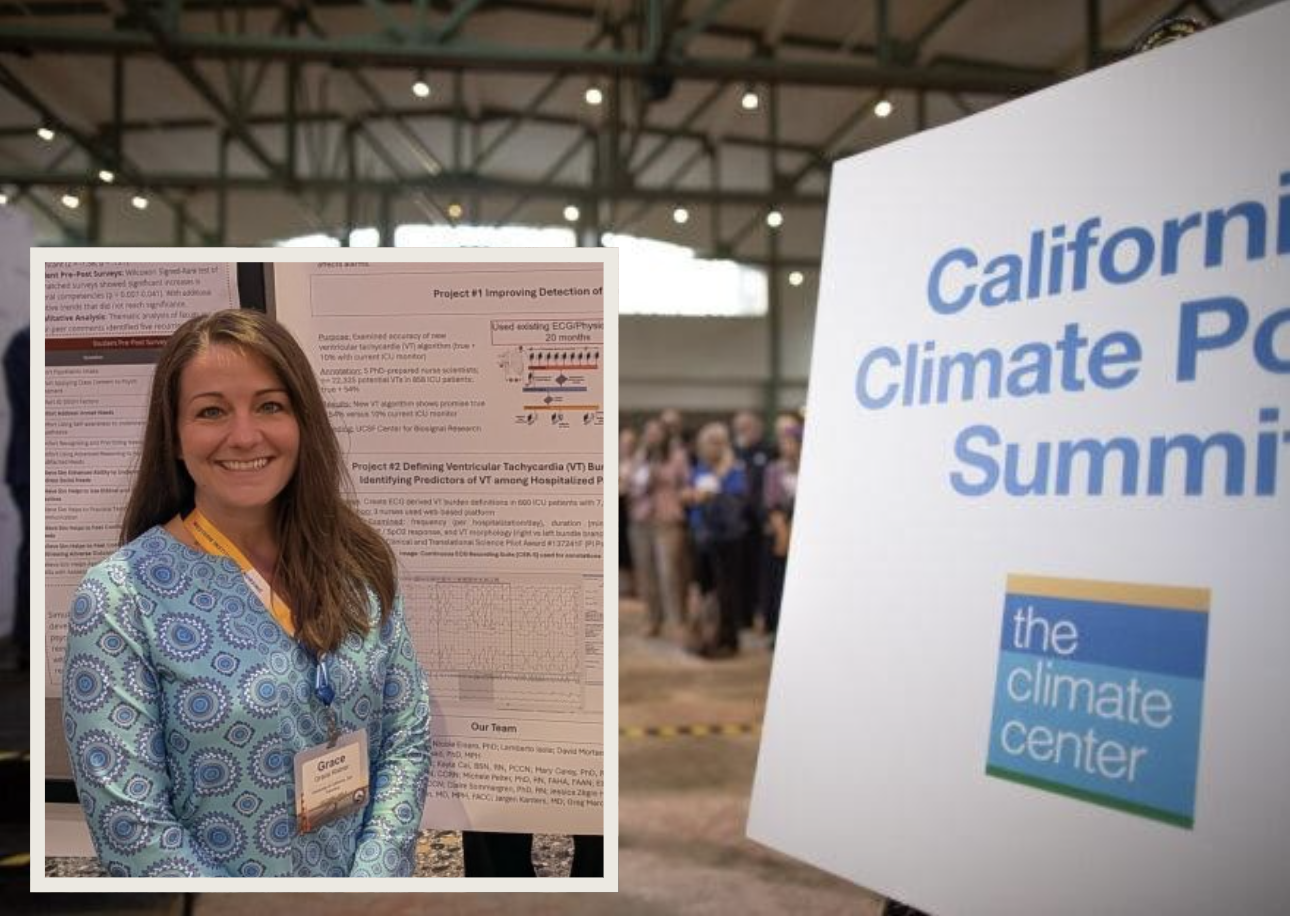
Grace Kistner RN, PDTNc, MMHA, BSBA, BSN, CCRN, CSSLHPM
The California Climate Center Policy Summit 2026 highlighted how environmental priorities, workforce development, and carbon-free energy are increasingly interdependent – including through modern technologies, such as geothermal innovation, data center decarbonization, and new financing models.
A multi-panel themed track included focus on data centers and underscored the urgency of managing rising electricity demand driven by AI and digital infrastructure. One framing echoed throughout the session: AI is here to stay – like it or not, understand it or not – so the policy imperative is ensuring it is powered cleanly rather than slowing its growth. Panelists noted that without careful policy design, this surge in demand could translate into higher electricity rates for consumers, effectively shifting the cost burden of rapid digital expansion onto households – or worse, supply being prioritized for large corporations over residences. Strategies included co-locating data centers with firm, carbon-free energy sources like geothermal, enforcing stricter efficiency standards, and moving toward 24/7 clean energy procurement rather than relying on annual offsets.
Parallel discussions continued on the emergence of next-generation geothermal technologies as a cornerstone of reliable clean energy. Unlike traditional geothermal, these systems overcome geographic and water constraints, unlocking scalable, 24/7 carbon-free power. This positions geothermal as a critical complement to intermittent renewables like wind and solar – especially considering California has the largest fields in the world. Importantly, speakers emphasized its workforce implications: geothermal development can directly transition oil and gas workers into comparable, unionized, high-wage jobs without requiring significant retraining. This creates a rare alignment between climate action and economic continuity for energy communities. However, deployment is constrained by grid integration challenges – particularly transmission build-out and interconnection delays – which remain key policy bottlenecks, despite having been overcome in neighboring States.
Financing emerged as the connective tissue across these sectors, especially in a time of fiscal austerity from the Federal government. Speakers highlighted tools like green banks (public or quasi-public institutions that use limited public funds to attract much larger private investments into clean energy) and blended finance (which combines public, philanthropic, and private capital to reduce risk and make climate projects more attractive to investors). These mechanisms can accelerate deployment while maintaining public accountability. Equally important is directing investments toward projects that deliver both emissions reductions and high-quality jobs. Overall, the summit reinforced that California’s climate strategy must integrate technological innovation, grid modernization, and workforce transition – demonstrating that a carbon-free future can also be an engine for economic resilience, affordability, and job creation. We’re proud to be in a progressive State with so many policymakers advancing environmentally just laws and regulations to protect our communities, and we applauded several of them attending as well as celebrated them with awards in the closing networking hour.