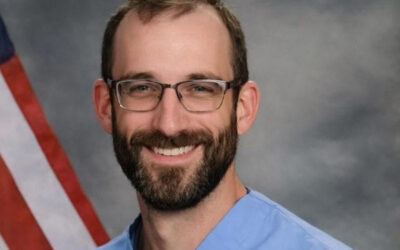

Barbara Sattler, RN, DrPH, FAAN, Leadership Council member and Professor Emeritus, University of San Francisco School of Nursing and Health Professions
Several members of the California Nurses for Environmental Health and Justice Leadership Council attended the Climate Center’s annual California Climate Policy Summit. Representing the Governor’s Office was Wade Crowfoot, the Secretary of the California Department of Natural Resources. Lots of elected officials, environmental advocates, community-based organizations, and people from local and county agencies. The mood was upbeat despite the challenges that the federal government is creating for state-level initiatives.
There was agreement that oil production is going down in CA, just not fast enough, noting that CA’s refineries are still are greatest releasers of greenhouse gases. There was clear agreement that we need to have a managed, well-coordinated plan for the phase out of fossil fuels that protects workers, supports communities that loose oil industry-based tax revenues, and make sure that all oil drilling sites are properly closed down. Bahram Fezeli, with Communities for Better Environments, called for a state-level blueprint with associated funding mechanisms.
It’s especially important to have a mechanism to support the workers who will be losing high-paying blue color jobs with good benefits. In a study by the state’s Workforce Development Fund, a year after a CA refinery closed, 24% of the workers still did not find employment and 24% who did find employment took a significant pay cut. The small town of Benecia lost $12 million in tax revenues when the nearby refinery shut down.
One of the breakout sessions focused on the energy and water needed to support data centers. The panelists included the Utility Director for Silicon Valley Power and Mark Toney, an organizer with the Utility Reform Network. There was general agreement that we are going to have data centers and the need now is to ensure that human and ecological health is protected and, importantly that the presence of the data centers does not compromise the reliability of the grid. Several policies are being considered in the legislature now to help protect communities and the environment.
In another breakout session, the focus was on abandoned, idle, and leaking wells in the state and their associated huma health risks – over 41,000 abandoned, over 100,000 unplugged and prone to leaking. The process of addressing wells that are in any of these conditions has been slow and is leaving many communities at risk for harmful exposures and associated injury and illness. There is at least one class action case being developed based on children who are sick from living in close proximity to wells.
The conference was a great opportunity to learn more about climate-related activities and policies. Nurses’ voices are particularly important as we can highlight the health-related consequences of CA’s climate policies in a way that very few can. Come join our organization and learn about nurses roles regarding climate change in California.